For many fixed-income investors, earning regular interest from bonds is only one part of the investment journey. The other equally important aspect is reporting that income correctly on your Income Tax Return (ITR). As the ITR filing season for Assessment Year (AY) 2026-27 begins, bond investors should understand how filing their returns on time can help avoid penalties and ensure proper tax compliance
AY 2026-27 ITR Due Dates You Should Know
For Financers, How Bond Interest Income Is Taxed (FY) 2025-26, the key ITR deadlines are
- 31 July 2026: Individuals filing ITR-1 or ITR-2 who are not subject to tax audit.
- 31 August 2026: Non-audit taxpayers filing ITR-3 or ITR-4.
- 31 October 2026: Taxpayers requiring an audit.
- 30 November 2026: Taxpayers covered under transfer pricing provisions.
Since most retail bond investors file either ITR-1 or ITR-2, the 31 July 2026 deadline is likely to be the most relevant.
Start investing with just ₹10K & grow your wealth with fixed return opportunities.
Invest Now

How Bond Interest Income Is Taxed
Interest income from bonds is one of the most prevalent myths about investment held by most people. The truth is, when you earn interest from your investments, this money gets added to your income, and you have to pay income tax on it based on your applicable income tax slab.
No matter whether you get interest income every year or every six months or even at the time of maturity, this amount of interest will be shown under “Income from Other Sources” while filling out your Income Tax Return.
It is advisable for investors to check this income amount with their bank statement, AIS, and Form 26AS.
Latest Bond News:
- Mumbai’s BMC Plans ₹5,000-10,000 Crore in Green Bonds. Here’s What Investors Should Know

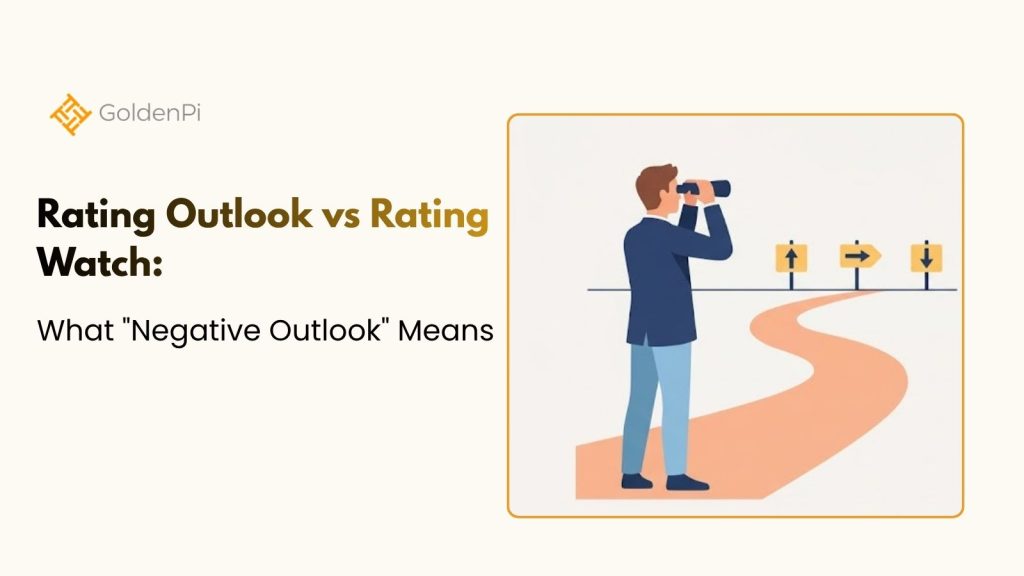
- Rating Outlook vs Rating Watch: What “Negative Outlook” Means
- How to Do a Demat-to-Demat Transfer in India: CDSL Easiest Step-by-Step Guide

Capital Gains on Bonds Also Need Reporting
Apart from interest income, investors may earn capital gains when selling bonds before maturity.
The tax treatment depends on factors such as:
- Type of bond
- Holding period( Yield to maturity)
- Applicable tax rules
Any profit or loss from bond transactions should be accurately reported in the capital gains section of the ITR. Investors who actively buy and sell bonds in the secondary market should maintain transaction statements and capital gains reports to ensure accurate filing.
Why Timely ITR Filing Matters for Fixed-Income Investors
Here is a list of the benefits of submitting an ITR on time:
Quick Processing of Refunds on Excess Taxes: In case there is an excess deduction from your investment income, such as bonds using TDS, you will be able to receive refunds more quickly. This will help in quick processing.
Improved Compliance Status: The ITR helps maintain an impeccable compliance status. You may need to show this status in case of loan applications, visa applications, and other matters.
Claiming Benefits of Deductions: As an investor, you may qualify for some deductions under the Income Tax Act depending on your investment and financial position.
What Will Happen in Case of Non-Compliance With the Deadline?
There could be financial implications in case you miss the filing deadline of your ITR.
Taxpayers might be liable for:
- Late filing charges as per provisions.
- Interest on outstanding tax payable.
- Delay in issuance of refunds.
- Other concerns in case of non-disclosure of income.
Even though late tax filings are permissible within the prescribed period, timely filing is always the preferred choice for the ease of tax compliance.
Ready to Invest?
Visit GoldenPi to explore current bond options. Compare yields, ratings, and tenures in one place and invest online with as little as ₹10,000.
Disclaimer:
Fixed returns do not constitute guaranteed or assured returns. Investments in corporate debt securities and municipal debt securities/securitized debt instruments are subject to credit risks, market risks, and default risks, including delay and/or default in payment. Read all the offer-related documents carefully. This blog/article should not be construed as financial advice or as an offer or recommendation to buy or sell any security or any products/services of/on GoldenPi or any product/services of its third-party client(s). For a detailed calculation of YTM, visit our website. T&C’s Apply.