If you’ve purchased a bond in India over the past couple of years, including a corporate NCD, G-Sec, or some Sovereign Gold Bonds, they probably landed in your demat account because India has shifted from paper bond certificates to electronic bond certificates. SEBI has encouraged the issuance of bonds and the settlement of bonds in the depository system.
For practical purposes, “buying a bond” today means having an electronic entry in NSDL or CDSL and having it cleared by a stock exchange. From an investor’s perspective, demat bonds are an improvement to the system, because bonds can much more easily be transferred and are more difficult to falsify than paper bonds. However, for investors more accustomed to dealing with equities, the settlement and custody process may create more uncertainty and risk. This article examines demat bond settlement and custody in India and outlines the specific precautions to take before you invest.
Start investing with just ₹10K & grow your wealth with fixed return opportunities.
Invest Now

From Paper to Digital: SEBI’s Push for Demat Bonds
Dematerialization of debt used to be optional. Issues with physical corporate bonds include lost certificates, fraudulent transfers, and delays with the transmission of assets upon death or default. Most of these have been solved by SEBI.
When issuing non-convertible debt securities, companies are required to enter into a collaboration with an SEBI-registered depository for dematerialization prior to listing. Additionally, the requirement for using SEBI’s Electronic Book Provider (EBP) service has been reduced from ₹50 crore to ₹20 crore for private placement debt [1], non-convertible redeemable preference shares, and municipal bonds, with REITs and InvITs also being allowed to use the service.
These amendments, notified in May 2025, took effect from 16 November 2025, giving issuers a six-month runway to comply. Additionally, private companies must also dematerialize securities prior to any new issuance or transfer, as provided under Rule 9B of the Companies Act, which applies to both shares and debentures.
In essence, whether a listed NCD, G-Sec, or a private placement bond, it will automatically get credited to your demat account.
Latest Bond Updates:
- G-Sec STRIPS Explained: Zero-Coupon Sovereign Paper for Retail

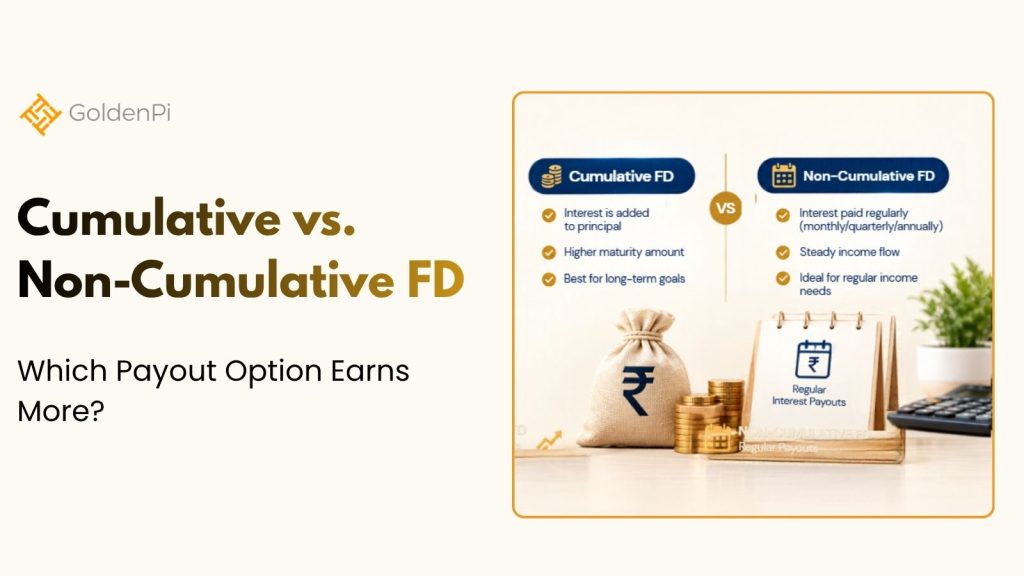
- Cumulative vs Non-Cumulative FD: Which Payout Option Earns More?
- Callable vs Non-Callable FDs: Why Non-Callable Deposits Pay More

Bond Settlement in India: NSCCL, ICCL & T+1 Explained
Bond settlements resemble the equity markets but with some unique customizations:
- For exchange-traded bonds, T+1 settlement is the norm. The NSCCL (NSE) and ICCL (BSE) act as central counterparties to the settlement process, ensuring settlement occurs even if one of the counterparties defaults. Hence, retail investors are not exposed to the credit risk of default of their counterparty.
- An ISIN is assigned to each series of bonds. This series-specific 12-character code is linked to trading activity, settlement, and the bond series rating(s). It is especially critical when multiple series exist for the same bond issuer.
- Funds and securities move together (DvP). This removes the old risk of paying first and hoping delivery follows.
- G-Secs have run T+1 for a longer time than corporate bonds. The RBI standardized T+1 settlement for the outright secondary market G-Sec trades in May 2005, which is almost two decades before equity trades in 2023. The routine exception to this is the settlement of trades involving Foreign Portfolio Investors (FPIs), which is T+2.
Bond Custody in India: NSDL, CDSL & Your Demat Account
| Layer | Role | What it means for you |
| Depository (NSDL/CDSL) | Master electronic record of ownership | Legal title sits here, regardless of broker |
| Depository Participant (broker/bank) | Interface between you and depository | Statements, transfers, nominee updates flow here |
| Registrar & Transfer Agent (RTA) | Issuer-side records, interest/redemption processing | Coupon and maturity payouts reference your demat holdings. |
| Clearing Corporation (NSCCL/ICCL) | Settles trades | Guarantees settlement; no counterparty exposure |
Your bonds aren’t really “held” by your broker; they sit with the depository, and your broker just operates the account. If your broker exits the business, holdings transfer to another DP (depository participant); they don’t vanish.
Bond Buying Checklist: What to Verify Before You Invest
- Do not match only the issuer name. Series from the same issuer can have different coupons, maturities, and rankings. Please verify the ISIN on your contract note with the listing.
- Check if it is listed or privately placed. Bonds that are listed will settle with DvP protection as they will be settled through the clearing corporation of the exchange. Private placements may settle bilaterally, thus creating a higher counterparty risk.
- Be cautious of liquidity on less-traded NCDs. The average daily turnover in Corporate bonds is about ₹6,000 Crores compared to ₹67,000 Crores in GSecs. With such low liquidity, filling an order may take longer than the standard T+1 window.
- Understand record-date conventions for interest and redemption before trading close to a payment date.
- Know that SGBs are secondary-market-only now. No new SGB tranche has been issued since February 2024, with no issuance calendar announced since and no revival planned. Existing units still trade and settle in demat, but there’s nothing fresh to subscribe to.
- Nominee details should be updated at the DP level since the depository record is now the primary reference for transmission.
India’s Corporate Bond Market: Growth, Size & Trends 2026
Outstanding corporate bonds have climbed to around ₹58 lakh crore as of early 2026, up from roughly ₹17 lakh crore a decade ago [2]; a sustained 12% CAGR confirmed directly by SEBI Chairman Tuhin Kanta Pandey. Corporate bonds now account for about 60% of bank credit to industry, up from 40% earlier, a genuine structural shift in how Indian companies fund themselves. Yet the market continues to be dominated by institutional investors like banks, insurers, provident funds, and mutual funds, with retail participation still catching up. The demat and settlement infrastructure above is essentially the plumbing built to make that retail participation safer as it scales.
Demat Held Bonds Frequently Asked Questions
Holding bonds in Demat form means the securities are stored electronically with a depository such as CDSL or NSDL instead of being held as physical certificates.
When you buy bonds through an exchange or other permitted mechanism, the securities are credited to your Demat account after the applicable settlement process is completed.
Demat holdings are maintained electronically through regulated depositories, reducing risks associated with physical certificates. However, the safety of the investment itself still depends on factors such as the issuer’s creditworthiness.
The securities are held electronically through the depository system, while your Depository Participant (DP), such as a bank or broker, provides access to and manages your Demat account.
Check the credit rating, issuer’s financial health, coupon, yield to maturity, maturity date, security status, covenants, liquidity, and applicable taxes before investing.
Sources
- https://www.business-standard.com/amp/finance/news/sebi-mandates-e-book-mechanism-for-private-debt-securities-above-rs-20-cr-125051800160_1.html
- https://www.tribuneindia.com/news/business/sebi-to-intensify-focus-on-deepening-corporate-bond-market-to-drive-capital-formation-says-sebi-chairman/
Disclaimer
Fixed returns do not constitute guaranteed or assured returns. Investments in corporate debt securities and municipal debt securities/securitized debt instruments are subject to credit risks, market risks, and default risks, including delay and/or default in payment. Read all the offer-related documents carefully. This blog/article should not be construed as financial advice or as an offer or recommendation to buy or sell any security or any products/services of/on GoldenPi or any product/services of its third-party client(s). For a detailed calculation of YTM, visit our website. T&C’s Apply.