For a long time, fixed deposits seemed like a safe bet for those who preferred guaranteed returns to stock market volatility. That is no longer the case. Corporate bonds are becoming increasingly popular as India’s debt market surpassed ₹240 lakh crore, and the barriers to entry for retail investors have decreased significantly following the implementation of the Securities and Exchange Board of India’s (SEBI) Online Bond Platform Provider (OBPP) framework.
The old ₹1 lakh minimum investment barrier has been eliminated, creating the opportunity to invest in bonds with as little as ₹10,000. However, distinguishing between secured and unsecured bonds is crucial in protecting your capital, and the right choice can provide significantly better returns than fixed deposits without the risk of equities. This article describes the mechanics, current rates and yields, and the tax treatment of each, while also explaining how to assess a bond before investing.
Start investing with just ₹10K & grow your wealth with fixed return opportunities.
Invest Now

Secured vs Unsecured Bonds in India: Key Differences Explained
A secured bond has specific, identifiable assets such as property, equipment, receivables, or loan portfolios that are pledged to a Debenture Trustee registered with SEBI. In the event of a default, the asset can be sold by the trustee to reimburse the investor. An unsecured bond does not have such an asset, which means a bondholder can only rely on the issuer’s willingness and ability to pay. Unsecured paper typically requires a stronger credit profile to sell or a higher coupon to sell with less risk.
Imagine lending to two friends. One friend offers you the keys to his car if he doesn’t pay you back, while the other is just promising to pay you back. You would be more comfortable lending to the friend giving you the collateral. The same loan, but very different comfort levels.
Bond Yields in India 2026: Secured vs Unsecured Comparison
| Category | Typical Issuers | Security | Indicative Yield (p.a.) |
| AAA PSU bonds | PFC, REC, NHAI, NTPC | Usually unsecured, sovereign-linked | 6.85%–7.05% (PFC’s Jan 2026 NCD tranche) |
| Secured NBFC NCDs | Mid-to-large NBFCs | Secured against loan book/assets | 9.5%–14.5% |
| Municipal bonds | Urban local bodies | Often unsecured, backed by municipal revenue | AA+ range, city-dependent |
| Bank fixed deposits | Scheduled banks | Insured only up to ₹5 lakh via DICGC | 6.5%–7.5% |
The pattern is consistent across the market: the safer and more government-linked the issuer, the lower the coupon; the more you rely on collateral instead of sovereign backing, the higher the yield needs to be to compensate.
Latest Bonds Update:
- Beyond the Rupee: Decoding SEBI’s ‘Second Shelf’ for Global Bonds
- G-Sec STRIPS Explained: Zero-Coupon Sovereign Paper for Retail
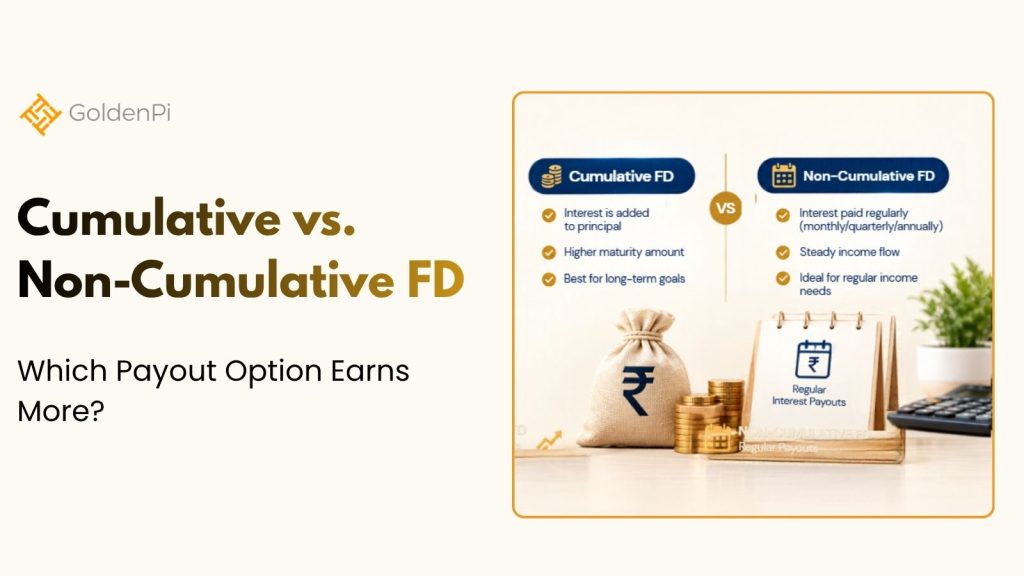
- Cumulative vs Non-Cumulative FD: Which Payout Option Earns More?
Why Retail Bond Investing Is Booming in India
The evolving landscape of modern retail investing can be explained through a few structural changes.
- Reduced Minimum Investment Amounts: Investing in unitary bond offerings used to require a large commitment, but now a single offering can be purchased for as little as ₹1,000.
- Improved Access to Information: Individuals can now make informed decisions about which bonds to purchase. SEBI-registered OBPPs show standardized information relating to the bond’s credit ratings, yields to maturities, and coupons, as well as the type of security and its maturity.
- Support of Authorities: SEBI is considering a proposal for a new group of distributors, similar to the distributors of mutual funds, which would simplify the KYC process and documentation for prospective bond investors.
- Fixed Deposit Concerns: A limitation of the DICGC’s ₹5 lakh insurance cap is that larger FD holders have a portion of their investment insured; secured bonds provide an alternative of spreading that risk.
Secured vs Unsecured Bonds: Taxation
This is how secured/unsecured affects listed/unlisted status and how it impacts your real return:
- Listed bonds: If held for over 12 months, listed bonds will be treated as long-term capital gains, charged at the 12.5% tax, without indexation. If held for a shorter term, they will be taxed at the slab rate.
- Unlisted bonds: As of July 23, 2024, all unlisted bonds will be treated as short-term capital gains under Section 50AA and will be taxed at the slab rate, regardless of the holding period. This incurs a large disadvantage for those on a higher income bracket.
- Interest income will always be taxed at the slab rate with 10% TDS under Section 193.
Takeaway: Two bonds with the same coupons can provide different returns post-tax, just because one of them is listed. Ensure you always check the listing status along with the security status.
A Quick Evaluation Checklist
Before subscribing to any bond issue, run through this:
- Is the security a first charge or pari-passu charge, and what’s the asset cover ratio?
- What’s the credit rating, and from which agency (CRISIL, ICRA, CARE)?
- Is the bond listed or unlisted?
- What’s the issuer’s NPA ratio and capital adequacy, especially for NBFC paper?
- Does the payout frequency (monthly/quarterly/annual) match your cash-flow needs?
Frequently Asked Questions
Secured bonds have specific assets pledged to the bondholders as collateral. Unsecured bonds have no pledged assets and are issued based on the creditworthiness of the issuer.
Generally, yes. If the issuer defaults, secured bondholders have a higher claim on the pledged assets than unsecured bondholders. However, no investment is completely risk-free.
Not necessarily. While secured bonds often offer lower yields due to their lower risk, the coupon also depends on factors such as the issuer’s credit rating, tenure, and market conditions.
Credit ratings help assess an issuer’s ability to repay its debt. While they are an important factor, investors should also consider the issuer’s financials, business outlook, and bond structure.
Disclaimer
Fixed returns do not constitute guaranteed or assured returns. Investments in corporate debt securities and municipal debt securities/securitized debt instruments are subject to credit risks, market risks, and default risks, including delay and/or default in payment. Read all the offer-related documents carefully. This blog/article should not be construed as financial advice or as an offer or recommendation to buy or sell any security or any products/services of/on GoldenPi or any product/services of its third-party client(s). For a detailed calculation of YTM, visit our website. T&C’s Apply.