
Bond laddering is one of the most effective strategies to spread your fixed-income returns across varying maturities. Every investor is worried about locking their money away at low interest rates only to watch them rise later or reinvesting a matured FD during a low-rate period. This is the tool that addresses these issues efficiently. For Indian investors looking to strengthen their portfolios with predictability, this strategy certainly deserves a closer look.
What Is Bond Laddering and How Does It Work?
A bond ladder is a portfolio of bonds with staggered maturities. Instead of putting all your money into bonds of the same tenure, you spread it across multiple maturities. As bonds in each step of the ladder mature, you reinvest the proceeds into a new bond at the far end of the ladder, keeping the structure intact and your money continuously working to get you more returns.
Say you have ₹25 lakhs to invest. Instead of putting it all in a 10-year government bond, you can proceed as shown:
| Tranche | Instrument | Tenure | Maturity Year |
| ₹5 lakh | RBI Floating Rate Bond/G-Sec | 2 years | 2028 |
| ₹5 lakh | PSU BondCorporate Bond | 4 years | 2030 |
| ₹5 lakh | Corporate Bond | 6 years | 2032 |
| ₹5 lakh | State Development Loan (SDL) | 8 years | 2034 |
| ₹5 lakh | G-Sec | 10 years | 2036 |
Every two years, one tranche matures. You take the money you earn, and you add a new 10-year bond to the list, keeping the ladder rolling.
Start investing with just ₹10K & grow your wealth with fixed return opportunities.
Invest Now

Why Indian Investors Should Consider Bond Laddering
Indian interest rate cycles have been known to be sensitive. The RBI has moved repo rates significantly, from 4% during COVID to 6.5% by 2023. Investors who locked into long-term bonds during the lows get hurt when rates climb. A ladder prevents your losses from getting out of hand and makes sure you end up profitable by the time the ladder dissolves.
The key advantages are the following:
- Reduces reinvestment risk: You’re not reinvesting everything at once, which means one low-rate cycle doesn’t derail your entire allocation.
- Provides regular liquidity: Tranches that mature at regular time intervals provide you with access to funds without imposing any strain on the structure.
- Protects against interest rate fluctuations: When you hold bonds across the yield curve, your average return is less volatile to any single rate cycle.
- Lowers duration risk: Duration risk is less with the short-term bonds and can help reduce duration risk for the ladder as a whole.
Must Read: FD Laddering Strategy: Build a Fixed Deposit
What Is the Difference Between Bond Laddering and a 3-Bucket Bond Portfolio Strategy?
Both strategies use the same technique of splitting your fixed-income investment, but for different reasons and methods.
| Parameter | Bond Laddering | 3-Bucket Strategy |
| Primary goal | Rate risk management | Goal planning |
| Segmented by | Maturity dates | Time horizon + purpose |
| Asset classes | Bonds only | Multiple assets per bucket |
| Reinvestment | Systematic, time-driven (rolling forward at each maturity) | Conditional, need-driven (refill buckets as they deplete) |
| Best suited for | Active bond investors | Retirees, goal-based investors |
Some Indian wealth managers even combine them at times, using a bond ladder within the fixed-income part of their 3-bucket portfolio. Due diligence is advised for retail investors before making any major investments.
Recent Govt. Bonds Update:
- State Development Loans (SDLs): The Overlooked Government Bonds with Higher Yields

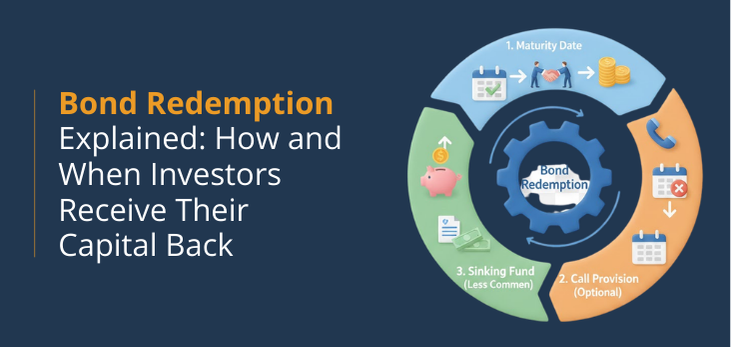
- Bond Redemption Explained: How and When Investors Receive Their Capital Back
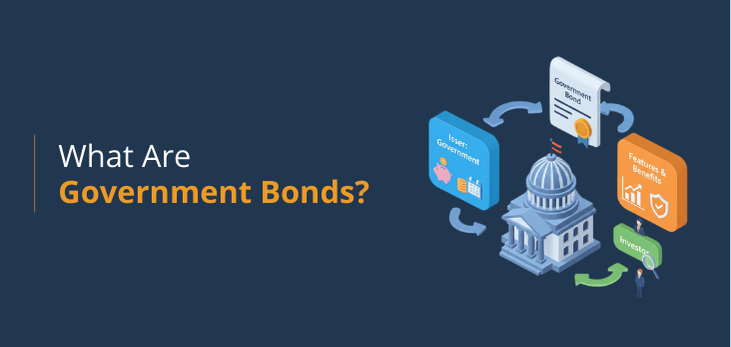
- What are Government Bonds?
What Works as a Bond Ladder in India?
Instruments you can use to build your ladder are the following:
- Government Securities (G-Secs)
- State Development Loans (SDLs)
- PSU Bonds
- AAA/AA-rated Corporate Bonds
- Target Maturity Debt Funds
Things to Keep in Mind Before You Build Your Ladder
India’s retail bond market has come a long way. A few years ago, direct investing was largely a privilege enjoyed by institutional investors and HNIs (High Net Worth Individuals). The introduction of the RBI Retail Direct in 2021 and the efforts of SEBI to regulate and increase the number of online bond platforms have opened doors for individual investors.
Here are the instruments you can work with:
Government Securities (G-Secs)—
The most secure rung on your ladder but the least return. No credit risk, backed by the Government of India and available in a range of maturities from a few years up to 40 years.
State Development Loans (SDLs)—
SDLs are still a relatively high-yielding product, issued by state governments. If you are looking for slightly higher returns and to retain the government protections, then it’s a good fit for you. State Development Loans Explanation
PSU Bonds—
PSU Bonds are issued by entities like NHAI, PFC, HUDCO, etc. and are generally well-rated and liquid. They offer better yields than the above alternatives while also keeping the credit risk low, hitting a sweet spot every ladder could use.
AAA/AA-rated Corporate Bonds-
AAA/AA Rated Corporate Bonds are the highest-yielding option and the one requiring the most homework. Available via SEBI-registered platforms like GoldenPi. Stick to AAA or AA-rated issuers to balance the high credit risk with the high returns.
Target Maturity Debt Funds—
It’s a great solution for investors seeking the advantages of laddering without the hassle of selecting the bonds. These funds are used for holding G-Secs, SDLs, or PSU bonds of a particular year. Portfolio diversification among funds with varying target years can mimic a ladder with low minimums and increased liquidity. Maturity Debt Funds in Detail
What You Should Keep in Mind Before You Start Building a Ladder
Some tips before you start constructing a ladder:
- Minimum ticket sizes matter. From G-Secs starting at ₹10,000 to corporate bonds having ₹100,000 minimums, your allocation should be mindful and structured accordingly.
- Tax treatment is the same across the ladder. Interest income is taxed as per your slab, while capital gains are categorized depending on how long they’re held for.
- Credit quality matters more than the rating. The ladder only works if you integrate bonds with a good credit history, minimizing credit risk across the ladder.
- Don’t over-ladder. 5-6 steps are usually sufficient. Adding more steps becomes more complex, making it tougher to manage.
Bond Laddering Frequently Asked Questions
Not quite. Diversification of debt funds means that you are distributing credit risk and duration risk, but the individual maturities and reinvestment timing are out of your control. A bond ladder provides you this accuracy: you know when each bond comes due and can make plans accordingly. Debt funds also have fund manager discretion, which a ladder does not.
Interest earned on bonds will be included in your overall income and taxed at the applicable slab rates, which is the same as the interest on your FD. If you sell a bond before maturity, any capital gains are taxed at your applicable slab rate, regardless of how long you’ve held it. Interest earned through other instruments comes with their respective set of taxation rules. Research thoroughly before starting.
When you want more flexibility with improved yield and no loss of safety. The straightforward nature of FDs from scheduled banks earns them the title of simple, but they restrict your money to the bank’s rate and ensure that it is tied up until maturity. Using a ladder of G-Secs or PSU bonds can provide similar or higher returns, increased secondary market liquidity, and the added benefit that no TDS will be deducted, which is a meaningful practical benefit for higher tax bracket investors.
The beauty of a bond ladder is that it’s largely self-managing — you only act when a rung matures. That said, it’s worth reviewing the overall structure once a year to check if your tenure spread still aligns with your goals or if a significant rate shift makes it worth adjusting the far end of the ladder. Avoid tinkering too frequently; the strategy works best when you let it run.
A mix is not just acceptable; it’s usually preferable. Combining G-Secs for the safest rungs, SDLs or PSU bonds for the middle, and select corporate bonds for the higher-yielding end gives you a yield curve that’s better than what a single instrument type can offer. Just make sure credit quality remains consistent across the ladder; don’t compromise on ratings just to squeeze out extra yield on one rung.
Ready to Invest?
Visit GoldenPi to explore current bond options. Compare yields, ratings, and tenures in one place and invest online with as little as ₹10,000.
Disclaimer:
Fixed returns do not constitute guaranteed or assured returns. Investments in corporate debt securities and municipal debt securities/securitized debt instruments are subject to credit risks, market risks, and default risks, including delay and/or default in payment. Read all the offer-related documents carefully. This blog/article should not be construed as financial advice or as an offer or recommendation to buy or sell any security or any products/services of/on GoldenPi or any product/services of its third-party client(s). For a detailed calculation of YTM, visit our website. T&C’s Apply.


