When India was added to major global bond indices, it was widely seen as a milestone for India’s inclusion in major global bond indices, which was widely regarded as a landmark event in the development of India’s debt markets. Headlines were talking about billions of dollars in foreign investments, reduced cost of borrowing, and more global presence in India’s G-Sec.
One year and some months have passed since India’s bonds started being included in JPMorgan Government Bond Index Emerging Markets (GBI-EM). It’s high time we asked an interesting question: Has anything really changed for retail investors?
And the answer is yes, though not in a direct manner. While nothing extraordinary happened overnight in the bond market for retail investors, it became more liquid and globally integrated. Here is what really happened.
Disclaimer: This article is for educational purposes only and is not meant as investment advice. Bond investments are subject to market risk, interest rate risk, liquidity risk, and credit risk.
Start investing with just ₹10K & grow your wealth with fixed return opportunities.
Invest Now

What Is a Global Bond Index?
A global bond index is a benchmark that is followed by the major international investment portfolios. In case the bonds of any country become part of any such global index, then the investment funds that replicate the global index would invest a certain percentage of their fund in these bonds.
The inclusion process of India started with the JPMorgan GBI-EM Index in June 2024. Subsequently, it has also been included in Bloomberg’s Emerging Market Local Currency Government Index in January 2025, whereas the inclusion in Bloomberg’s global Aggregate Index is delayed till further notice.
Effects After the Inclusion of India in the Bond Index
The first and foremost effect of this inclusion has been the participation of foreign investors in the eligible G-Secs through the FAR route.
There was an inflow of billions of dollars in India through the eligible government bonds. It had helped in boosting the demand for eligible G-Secs and increased the visibility of India in the international fixed-income markets. The approximate amount that was raised by overseas investors in index-eligible government bonds is said to be close to US$20 billion.
Latest Bond News:
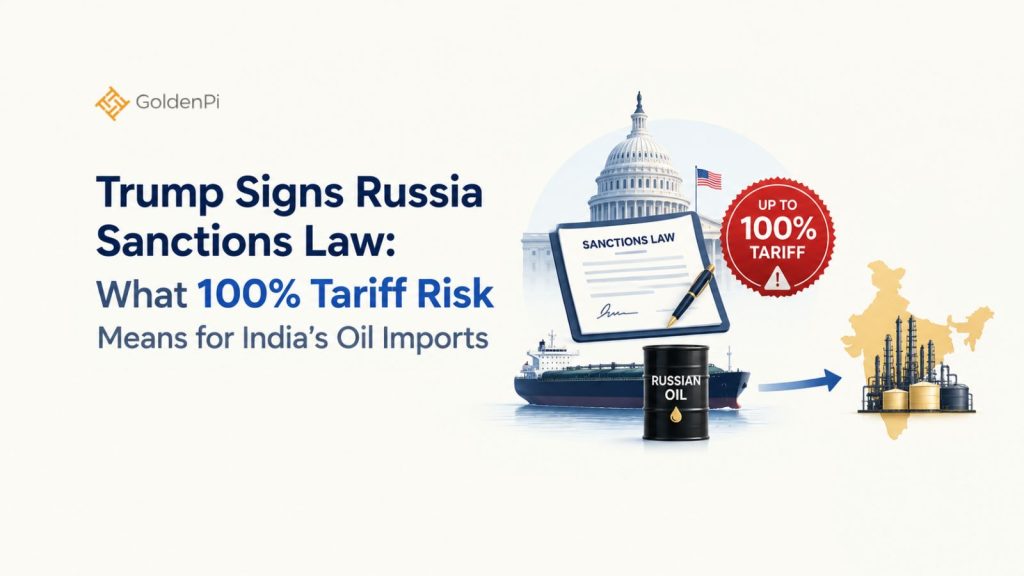
- Trump Signs Russia Sanctions Law: What 100% Tariff Risk Means for India’s Oil Imports
- Low-Risk Investment Options in India 2026: Safety, Returns & Tax Efficiency

- All About Recurring Deposits (RDs): The Complete Investor’s Guide

Did Retail Investors Benefit Directly?
This is where expectations and reality differ. Retail investors did not receive any special tax benefit, higher coupon rates, or exclusive investment opportunities simply because India joined a global bond index.
Instead, the benefits have largely been indirect:
| Impact | What It Means for Retail Investors |
| Improved market liquidity | Higher trading activity may support a more active bond market. |
| Greater global participation | More foreign investors are participating in eligible G-Secs. |
| Better market visibility | India’s bond market has gained international recognition. |
| Long-term market development | Broader participation may support the continued development of India’s debt market. |
These developments strengthen the overall market infrastructure rather than providing immediate gains to individual investors.
Has Bond Investing Become Easier?
Yes, but not due to just being included in the index. In recent years, India’s bond market has become more open due to various measures, such as the Online Bond Platform Providers (OBPPs) regulated by SEBI, bonds that are listed on exchanges, and the RBI Retail Direct for government securities.
Due to these structural changes, along with the increased participation from abroad, bond investing has become much simpler compared to a few years back.
What Should Retail Investors Be Looking For?
Instead of buying bonds depending on the developments in the indexes, the investors should continue to look at the bonds individually.
A few things that matter are the following:
- Issuer’s credit rating.
- Bond’s duration.
- Its yield and coupon payments.
- Interest rates.
- Liquidity.
- Investment goals and risk preferences of the investor.
Frequently Asked Questions (FAQs)
India became part of the JPMorgan Government Bond Index-Emerging Markets (GBI-EM) in June 2024 and the Bloomberg Emerging Market Local Currency Government Index in January 2025. However, the inclusion in Bloomberg’s Global Aggregate Index has been deferred.
There has been no tangible gain in terms of money just because of the index inclusion. The impact has been more through better foreign participation, market depth, and visibility of India’s bond market.
Many of the international investment funds benchmark against certain indices. Once the country is included in such indices, such funds generally buy bonds in those countries that form part of the benchmark.
Index inclusion in itself should not be a reason for investing. One should take into account the factors like the issuer of the bonds, the credit quality, tenure, and liquidity of the investment.
Conclusion
The inclusion of India in international bond indexes is definitely one of the important moments in the country’s debt market; yet, the real effect of it was much more substantial under the surface compared to the retail investors’ portfolios. The increase in the foreign investors’ presence in the market, higher liquidity levels, and increased visibility on the global level have improved the foundations of the market. As for the retail investors, there is nothing new here – just stick to the basics of understanding your bond and the risks associated with it.
Disclaimer
Fixed returns do not constitute guaranteed or assured returns. Investments in corporate debt securities and municipal debt securities/securitized debt instruments are subject to credit risks, market risks, and default risks, including delay and/or default in payment. Read all the offer-related documents carefully. This blog/article should not be construed as financial advice or as an offer or recommendation to buy or sell any security or any products/services of/on GoldenPi or any product/services of its third-party client(s). For a detailed calculation of YTM, visit our website. T&C’s Apply.