In case you want to invest ₹30 lakh, one of the initial questions arising in your mind would be, “What is the amount of monthly interest that I can get from an FD? “ Whether it is for retirement purposes or earning passive income, knowing your monthly interest will assist in making a wise decision.
Monthly interest for an ₹30 lakh FD investment can depend upon many factors, such as the interest offered by the bank, the duration for which you have invested, and whether or not you want a monthly interest payout facility. Here in this post, we will help you in calculating the approximate monthly interest from a ₹30 lakh FD and also tell you how to evaluate it.
Disclaimer: This article is written just for informative purposes only and should not be taken as financial or investment advice. The interest rate offered by the banks on FDs might change with time.
Start investing with just ₹10K & grow your wealth with fixed return opportunities.
Invest Now

How Much Monthly Interest Will You Earn on a ₹30 Lakh Fixed Deposit?
The monthly interest from a fixed deposit depends primarily on the annual interest rate.
The formula is: Monthly Interest = (Principal × Annual Interest Rate) ÷ 12
Here’s an illustration based on a ₹30 lakh investment.
| Annual Interest Rate | Approximate Monthly Interest | Annual Interest |
| 6.00% | ₹15,000 | ₹180,000 |
| 6.25% | ₹15,625 | ₹187,500 |
| 6.50% | ₹16,250 | ₹195,000 |
| 7.00% | ₹17,500 | ₹210,000 |
| 7.50% | ₹18,750 | ₹225,000 |
| 8.00% | ₹20,000 | ₹240,000 |
Figures are illustrative and calculated before applicable taxes. Actual payouts may differ depending on the bank’s interest calculation method and terms.
Latest Fixed Deposit Updates:
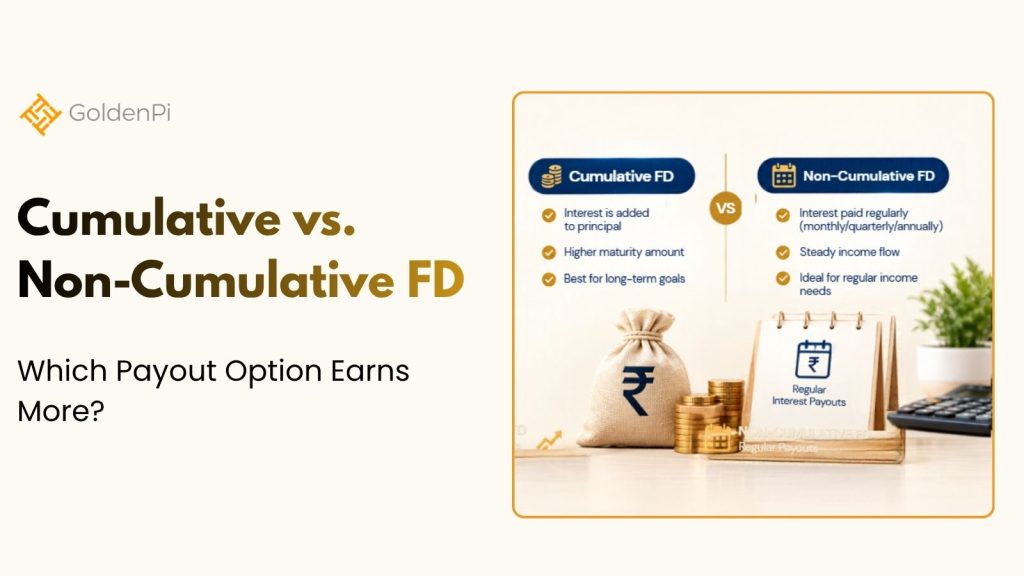
- Cumulative vs Non-Cumulative FD: Which Payout Option Earns More?
- Callable vs Non-Callable FDs: Why Non-Callable Deposits Pay More

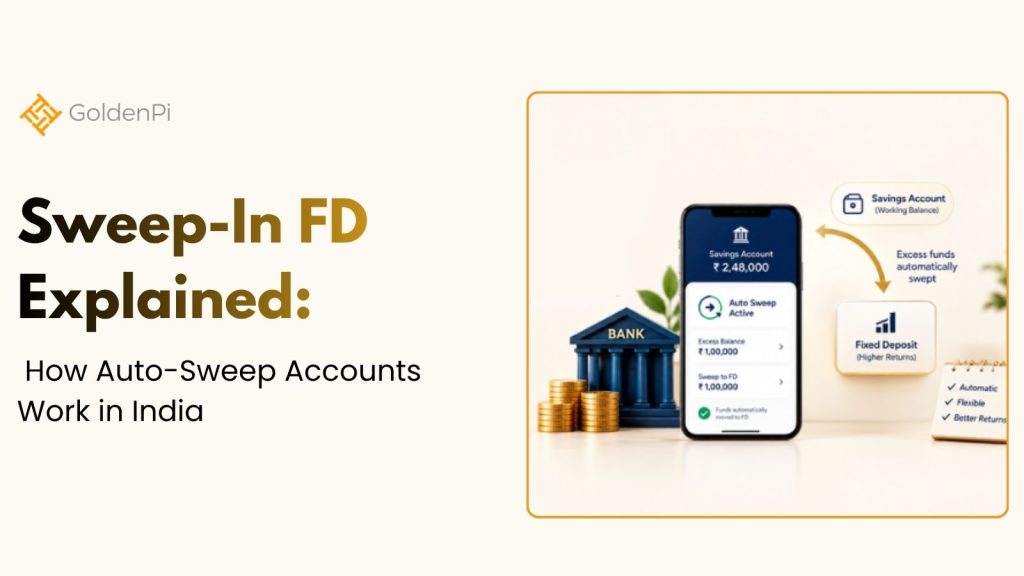
- Sweep-In FD Explained: How Auto-Sweep Accounts Work in India
Interest on ₹30 Lakh FD Across Major Banks
The table below shows indicative maximum retail FD rates offered by some well-known banks in 2026. Since rates change periodically and vary by tenure, these figures should be treated as a general reference.
| Bank | Highest Retail FD Rate* | Approximate Monthly Interest on ₹30 Lakh |
| State Bank of India | 6.60% | ₹16,500 |
| HDFC Bank | 6.85% | ₹17,125 |
| ICICI Bank | 6.75% | ₹16,875 |
| Punjab National Bank | 6.60% | ₹16,500 |
| Bank of Baroda | 6.75% | ₹16,875 |
| Union Bank of India | 6.65% | ₹16,625 |
Indicative rates for general customers on select retail deposit tenures. Banks revise FD rates periodically. Please verify the latest rate before investing.
Should You Choose the Highest FD Interest Rate?
Though a higher interest rate means higher income for you on a monthly basis, it cannot be the sole consideration in the matter.
Some things to look into when selecting an FD include:
- Term of the deposit.
- Monthly payments.
- Conditions under which premature withdrawal can be made.
- Whether you have to pay any taxes on the interest income.
- Whether the scheme offered by the bank fits in with your financial objectives.
It is better to choose a Fixed Deposit that suits your income and investment objective rather than just going with the one offering the highest interest rate.
Use an ₹30 Lakh FD Interest Calculator
A fixed deposit interest calculator will help you calculate your potential monthly income from an FD before investing.
All you need to do is enter:
- FD Amount (₹3,000,000)
- Interest Rate
- Term
- Interest Payment Frequency
Other Fixed-Income Securities to Look Into
While fixed deposits form one of the various options for investing in fixed income securities in India, there are other fixed income securities, such as corporate bonds, that an investor may consider based on their investment objective and risk appetite.
While some of these securities provide regular interest payments, they could come on a monthly, quarterly, half-yearly, or annual basis, depending upon the terms of issuance of the instrument. The securities would differ in terms of their liquidity, issuer, tax treatment, and risk profile.
| Feature | Fixed Deposit | Listed Bonds |
| Issuer | Banks | Government, PSU, or Corporate Issuers |
| Income | Interest as per FD terms | Coupon payments as per bond terms |
| Tradability | Generally not traded | Some listed bonds may trade on stock exchanges |
| Risk Profile | Depends on the bank | Varies based on the issuer and credit quality |
This comparison is intended for educational purposes only and should not be interpreted as a recommendation of one investment product over another.
Frequently Asked Questions (FAQs)
The income generated each month will depend on the interest rate. For instance, in the case of an interest rate of 7% per year, a deposit of ₹30 lakh can earn roughly ₹17,500 every month.
Interest rates fluctuate with respect to the banks and periods and are updated on a periodic basis. One needs to check for the most recent interest rates before making a fixed deposit.
Yes. The interest earned from fixed deposits will be taxable depending on the income tax slab applicable to the investor. TDS may also apply in some cases.
Some listed bonds offer periodic coupon payments based on the terms of their issuance.
Final Thought
The fixed deposit of ₹30 lakh can be used to generate monthly income; hence, it is preferred by retired people, conservative investors, and those who want a monthly income. However, when you want to invest in fixed deposits, you should consider factors like interest rate, payment options, maturity period, tax implications, and liquidity, among others. If you want to learn about different fixed-income securities, knowing the characteristics of different investment vehicles like fixed deposits and listed bonds is important.