Summary – Housing Finance Company (HFC) bonds are debt instruments issued by specialized financial institutions or banks to raise capital for funding real estate purchases and development. When you purchase an HFC bond, you are lending money to the housing finance company. In exchange, the issuer pays you regular, predetermined interest (coupons) and returns your principal investment at the end of the bond’s term (maturity)
If you have started venturing into fixed-income investment products, you might be aware of the Housing Finance Company (HFC) Bonds. While most investors have a good understanding about bank bonds and corporate bonds, there is one more category of bonds in the bond investment space that does not get much consideration.
These are the bonds that are offered by housing finance companies in order to raise capital for their lending business, especially home loans and housing finance. As an investor, it gives you an option to diversify your fixed income portfolio and invest in the booming Indian housing market.
So, let us learn about Housing Finance Company Bonds.
What Are Housing Finance Company Bonds?
Definition of Housing Finance Company Bonds
Housing Finance Company Bonds refer to debt instruments offered by housing finance companies as a means of raising money from investors.
If you decide to invest in the HFC bond, you will basically be lending money to the housing finance company for a certain period of time. The company then commits itself to paying you interest as well as returning the total sum invested after the bond matures.
The money raised by the housing finance companies through issuance of these bonds is used to facilitate their lending activities. They include providing home loans, housing finance, and credit related to housing.
Some housing finance companies operating in India have utilized the bond market in the past.
Start investing with just ₹10K & grow your wealth with fixed return opportunities.
Invest Now

How Do Housing Finance Company Bonds Work?
Issuance: HFCs issue these bonds to the public or institutional investors to build a pool of capital.
Interest & Coupon Payments: The issuer pays a fixed or floating interest rate—such as annual or semiannual payouts—based on the Face Value of the bond.
Maturity & Repayment: Once the bond reaches its set timeline (e.g., 3, 5, or 10 years), the company repays the Principal Amount in full
HFC Bond Structure
The structure of HFC bonds is not much different from most of the other fixed-income securities. HFC Bonds are issued by Housing Finance Company with predetermined characteristics such as the following:
- Par Value
- Coupon Rate
- Maturity Date
- Interest payment Frequency
- Bond Redemption Terms
As soon as investors invest in the bonds, the Housing Finance Company gets the money. While the life cycle of the bond goes on, the investor could get interest payments periodically (if any). At the time of maturity, the amount invested is returned as per the terms of the bond. Simply put, the investor is the lender, and the Housing Finance Company is the borrower.
Why Do Housing Finance Companies Issue Bonds?
Housing finance companies need large amounts of capital to conduct their operations. This is because the companies give out housing loans to their clients for extended periods.
The benefits that come from issuing bonds to these organizations include:
- Raising long-term capital
- Expanding funding sources
- Enabling housing loans distribution
- Helping in management of liabilities
- Decreasing reliance on other sources of funds
The bond market thus helps greatly in the financing of housing finance companies.
Recent Bond Post:
- Beyond the Rupee: Decoding SEBI’s ‘Second Shelf’ for Global Bonds

- G-Sec STRIPS Explained: Zero-Coupon Sovereign Paper for Retail

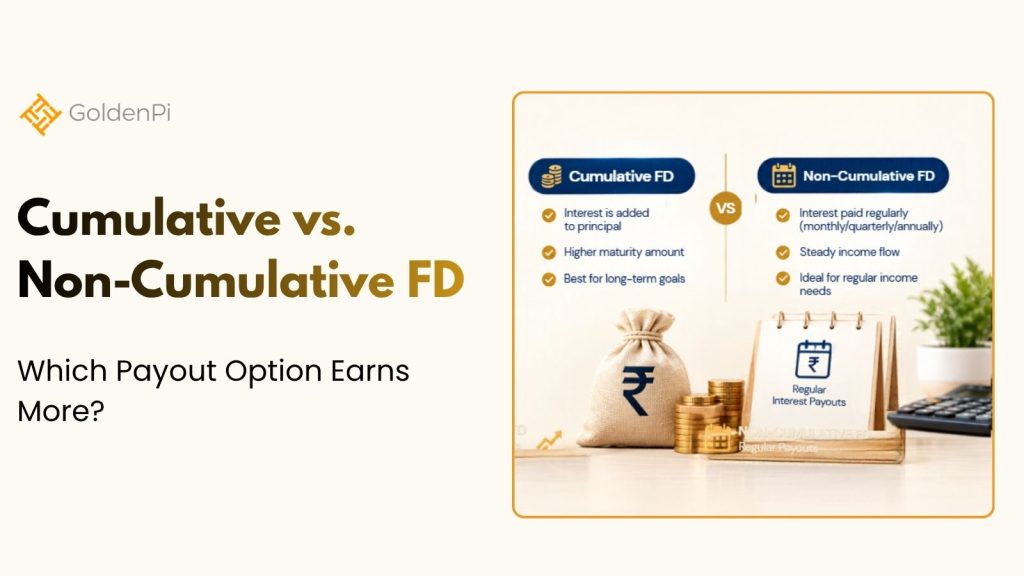
- Cumulative vs Non-Cumulative FD: Which Payout Option Earns More?
Types of Housing Finance Company Bonds
- Secured NCDs (Non-Convertible Debentures): Backed by the company’s assets, making them safer for investors. If the HFC faces financial trouble, these assets can be liquidated to pay back bondholders.
- Unsecured NCDs: Carry no asset backing and rely purely on the creditworthiness of the HFC, meaning they typically offer higher interest rates to compensate for the added risk.
- Mortgage-Backed Securities (MBS) / Covered Bonds: Debt instruments explicitly secured by a pool of bundled home loans, where investor payouts are driven directly by borrower EMI Cash Flows.
- Listed Bonds: Some HFC bonds are listed on stock exchanges, allowing investors to buy or sell them in the secondary market, subject to market liquidity and trading activity. Listed bonds may offer greater flexibility compared to unlisted instruments.
Benefits of Investing in Housing Finance Company Bonds
Like other fixed income securities, there are some merits associated with HFC bonds based on an investor’s financial objectives.
Opportunity to Earn Periodic Income
Most HFC bonds pay out periodic coupons and may thus attract those investors who are looking to have reliable inflows of money into their accounts.
The timing of these payouts will differ from bond to bond.
Portfolio Diversification
HFC bonds are one way of adding diversification to a portfolio that might be overly invested in stocks, bank deposits, or other fixed-income securities.
By diversifying, an investor spreads his risk among various asset classes.
Indirect Exposure to India’s Housing Industry
The housing industry forms a significant part of India’s economy, and it keeps deriving benefits due to ongoing urbanization and construction activities in India.
With HFC bonds, an investor gains indirect access to this industry.
Risks Associated with Housing Finance Company Bonds
Despite being good investments, HFC bonds do come with certain risks.
Credit Risk
Among other things, it is extremely important to consider whether the issuer has the means to fulfill its obligations. Before making an investment, the investor needs to consider the credit risk associated with the particular housing finance company.
Credit rating gives some information about the credit risk, although it cannot be taken as an absolute guarantee of any kind.
Interest Rate Risk
In general, interest rates and bond prices go in different directions. When the interest rates increase, the bond’s price in the market may drop, especially for the bonds with longer tenures.
Liquidity Risk
Some bonds may have limited liquidity on the secondary market. This means that it will not be possible to dispose of such a bond before its maturity date.
Sector-Specific Risks
Housing finance companies are influenced by factors such as:
- Housing market conditions
- Interest rate movements
- Borrower repayment trends
- Regulatory changes
Changes in these factors may affect the financial performance of housing finance companies over time.
Key Features of Housing Finance Company Bonds
Before investing in Housing Finance Company Bonds, it is important to understand some of their key features. These characteristics can help investors evaluate whether a bond aligns with their financial goals, investment horizon, and risk appetite.
| Feature | Description |
| Issuer | Housing Finance Companies raise funds through these bonds to support their lending activities and business operations. |
| Investment Type | Debt instrument that represents money lent by investors to the issuer. |
| Tenure | Bonds are issued with a predefined maturity period, which can vary across issuances. |
| Interest Payments | Coupon payments are made as per the terms and conditions specified in the bond issue. |
| Holding Mode | Listed bonds are generally held in electronic form through a Demat account. |
| Tradability | Listed bonds may be bought or sold on stock exchanges, subject to market liquidity. |
| Credit Risk | Depends on the credit profile and financial strength of the issuer. |
| Market Value | Bond prices may fluctuate in the secondary market due to interest rate movements and market conditions. |
Understanding these features can help investors make informed decisions while evaluating Housing Finance Company Bonds as part of their fixed-income portfolio.
Points to Consider Before Investing in Housing Finance Company Bonds
There are a few points that should be considered before investing in housing finance bonds.
- Review the Financial Stability of the Issuer: It is crucial to understand the financial stability and profile of the housing finance company as well.
- Credit Ratings to be Considered: Credit ratings may indicate the opinion about the creditworthiness of the issuer, which might be considered during evaluation.
- Know the Bond Duration: There must be an understanding about the bond tenure to meet the investor’s financial goals.
- Study the Offer Document: The offer document provides all the necessary information about the bond and its features.
Conclusion
The HFC bonds have emerged as a vital source of funding for the housing finance company as well as for the fixed income market of India. The HFC bonds provide a way for investors to invest in the debt market and earn from the housing finance industry.
But like all investments, it is important for an investor to know about the issuer, assess the associated risks, and make sure that the investment suits his financial objectives and risk profile.
An informed investment decision should be based on various factors and not just on the coupon rate provided by the HFC bonds.
Frequently Asked Questions About Housing Finance Company Bonds
Housing Finance Company Bonds are debt instruments issued by housing finance companies to raise funds for their lending and business operations.
Returns are generally generated through coupon payments and repayment of principal at maturity, subject to the bond’s terms.
Like all investments, HFC bonds carry risks, including credit risk, liquidity risk, and interest rate risk. Investors should evaluate each bond individually before investing.
Many listed HFC bonds can be traded in the secondary market, subject to market liquidity and prevailing market conditions.
Most listed bonds are generally held in Demat form, making a Demat account necessary for holding such securities.
Ready to Invest?
Visit GoldenPi to explore current bond options. Compare yields, ratings, and tenures in one place and invest online with as little as ₹10,000.
Disclaimer:
Fixed returns do not constitute guaranteed or assured returns. Investments in corporate debt securities and municipal debt securities/securitized debt instruments are subject to credit risks, market risks, and default risks, including delay and/or default in payment. Read all the offer-related documents carefully. This blog/article should not be construed as financial advice or as an offer or recommendation to buy or sell any security or any products/services of/on GoldenPi or any product/services of its third-party client(s). For a detailed calculation of YTM, visit our website. T&C’s Apply.